

10. 8. 2026
Automotive Bolts and Nuts: Types, Components, Uses & Top Suppliers
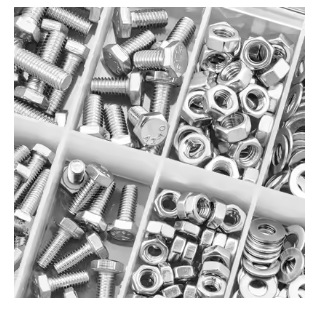
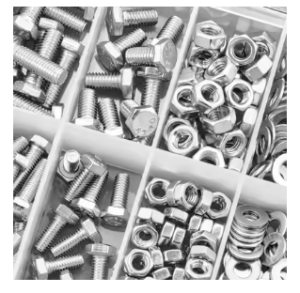
Automotive Bolts and Nuts
Automotive bolts and nuts may look like small parts, but they hold major vehicle assemblies together and help maintain a dependable bolted joint. In my experience, a reliable fastening job starts with matching the right fastener, material, size, and application rather than choosing a bolt simply because it fits the hole. Whether a repair involves automotive applications, engine components, suspension components, or vehicle frames, the correct automotive bolts and nuts help create a strong clamping force, maintain alignment, and support safe vehicle operation.
Types of Automotive Bolts and Nuts
Different vehicle systems need different fastener designs, so automotive work uses several types of bolts, nuts, and related fasteners. Hex bolts use hexagonal heads and offer robust strength, versatility, and an easy to install design, while carriage bolts use rounded heads and square necks to stop rotation after installation. Flange bolts add an integrated washer-like flange for better load distribution, while socket head bolts use a cylindrical head and internal hex drive when a flush fit matters in limited space.
U-bolts use a U-shaped form to secure pipes, tubes, and other cylindrical objects, while stud bolts use threaded rods without heads and often work with nuts in cylinder head assemblies and exhausts manifolds. Lock bolts use a locking mechanism to resist loosening caused by vibration, which makes them useful around suspension systems and engine mounts. Wing nuts use protruding wings for hand tightening and quick adjustment, while nylon insert lock nuts use a nylon insert that grips the threads and helps prevent loosening in areas subject to vibration.
Other designs solve more specific fastening needs. Castle nuts use slots and a cotter pin to help prevent rotation in wheel bearings and suspension systems, while square nuts provide a large surface area and greater grip for selected restoration work and vintage cars. Jam nuts provide a simple way to lock a larger nut and reduce movement of the primary nut. Manufacturers may produce these parts from stainless steel, steel, titanium, galvanized steel, alloy steel, brass, or plastic, depending on the required performance and application.
Key component of bolts and bolted assemblies
A bolt works as part of a complete fastening system rather than as an isolated component. Bolts act as essential mechanical fasteners that secure and align sections of different assemblies, including industrial fastening, structural connections, machinery, automotive systems, and general hardware applications. A bolt normally carries external threads and works with a compatible nut through aligned holes or unthreaded holes, allowing tightening to create a reliable connection.
When a technician tightens the mating nut, the assembly develops strong clamping force and dependable load distribution. The nut provides the female threaded connection, while the bolt carries the fastening load through the joined materials. A correctly selected bolted joint can maintain its position even when the vehicle experiences changing loads, movement, and vibration.
Bolt Shaft
The bolt shaft forms the central working section of a bolt and helps resist shear forces and lateral movement between connected components. The shaft contains the shank, which provides a smooth contact area, and the thread, which allows the nut to engage with the bolt. This design supports fastening design, shear strength, alignment, and controlled stress across the joint.
Shank
The shank or body forms the un read segment below the head. It provides smooth and accurate contact inside a bolt hole, supports shear strength, and helps maintain alignment between fastened materials. A properly selected shank can distribute stress more evenly than a threaded section, which can help maintain joint stability.
Vehicle assemblies can experience vibration, dynamic loads, and repeated impact, so technicians need to consider how the bolt behaves under those conditions. A bolt without enough shank length can allow unwanted movement between parts and may increase the chance of loosening or thread wear. The correct shank therefore contributes to dependable fastening performance in demanding assemblies.
Thread
The thread forms a continuous spiral ridge around the outer part of the bolt shaft. It allows the nut to engage securely and generates axial clamping force when the technician tightens the joint. The bolt can use a partly threaded shaft or a fully threaded shaft depending on application requirements, grip length, and fastening performance.
The bolt and nut threads work together to create a strong bolted joint. Correct thread engagement helps the assembly maintain its position while the fastener carries the required load. A technician should therefore match the bolt thread and nut thread rather than relying only on the outside appearance of the fastener.
Bolt Head
The bolt head receives the force from the wrench, socket, or driver during tightening and loosening. Manufacturers produce bolt heads in different shapes and designs to meet different installation methods, clearance requirements, and load-bearing needs. The correct head style can make installation easier and can provide suitable access when surrounding vehicle components leave little working room.
Hex Bolt Heads
Hex bolt heads use a six-sided, hexagonal shape that gives wrenches and sockets a firm working surface. This design remains one of the most common fastener head styles across construction, machinery, and general-purpose bolting. Automotive technicians also value the straightforward tool access that hex heads provide during routine service and repair work.
Countersunk Bolt Heads
Countersunk bolt heads use a conical form with a flat top that can sit close to or flush with the surrounding surface. A recessed slot or compatible drive lets screwdrivers or hex socket tools apply torque and drive the bolt axially. This design works well when a flush finish matters and the installation requires the fastener head to remain within the surface profile.
Dome Bolt Heads
Dome bolt heads feature a smooth and rounded outline that gives the finished assembly a cleaner profile. Their shape reduces exposure to snagging, which can help where a protruding fastener could interfere with nearby components. However, their rounded profile can make them harder to grip with external tools, so the application needs to account for installation access.
Nuts as Bolt Components
A nut serves as the female counterpart of a bolted joint and uses a threaded hole to provide the required clamping force. As the nut tightens, it creates axial force and compression across the fastened elements, while friction between the bolt threads and nut threads helps resist unintended loosening. This simple interaction allows multiple parts to stay securely connected under normal operating loads.
Automotive systems can face substantial vibration, so some applications require additional protection against movement. Lock washers, jam nuts, split pins, nylon insert lock nuts, and thread-locking fluids can improve vibration resistance and help maintain joint integrity in demanding environments. The technician should select the locking method according to the joint design rather than applying the same solution to every fastener.
Leading Automotive Bolts and Nuts Suppliers Globally
The automotive industry depends on dependable suppliers because fasteners must meet practical requirements for quality, reliability, and customer service. Major suppliers can provide automotive bolts and nuts, fasteners, bolts, nuts, screws, and washers in different materials, sizes, and finishes. A supplier with a broad product range can also support projects that require both standard fasteners and specialty products.
McMaster-Carr
McMaster-Carr operates within the industrial supply industry and provides automotive bolts and nuts in various materials, sizes, and finishes. Its vast inventory, competitive prices, reliable delivery, and high-quality products give customers several practical options when they need replacement fasteners. The company also provides a user-friendly website that helps customers find and order the products they need.
Fastenal
Fastenal serves the global market through an extensive network of stores and distribution centers. Its range includes automotive bolts, nuts, screws, and washers in different materials and sizes, while its competitive pricing, quality products, and reliable delivery support regular automotive supply needs. Fastenal also offers customized solutions for customers with specific requirements in the automotive industry.
Wurth Group
Wurth Group acts as a global leader in supplying automotive fasteners, including bolts and nuts. Its comprehensive range covers standard products and specialty products for different automotive applications, while its focus on innovation and technology supports product quality and performance. Its global presence and focus on reliability make it a recognized trusted supplier for automotive fastening requirements.
ITW Shakeproof Group
ITW Shakeproof Group focuses on automotive fasteners and anti-vibration technology. Its bolts and nuts help reduce loosening from vibrations, which supports the safety and longevity of vehicle components in areas such as engines and chassis components. The company combines innovation, quality, and solutions designed around customer requirements, with an emphasis on excellence and customer satisfaction.
Alcoa Fastening Systems
Alcoa Fastening Systems supplies aerospace and automotive fasteners, including standard fasteners and specialty fasteners in different materials and finishes. The company focuses on high-quality products, innovative solutions, and customer service, while its customized fastening solutions address specific requirements. Its global presence and focus on sustainability also form part of its approach to automotive fastening.
Conclusion
Choosing the right supplier and the right fastener can directly affect the success of an automotive industry project. A practical selection process considers automotive bolts, nuts, standard fasteners, and specialized solutions alongside the required quality, innovation, and customer satisfaction. From my practical perspective, a good fastening decision starts with understanding the joint, the load, the environment, and the installation method instead of choosing a fastener by appearance alone.
The right supplier can provide the expertise and resources needed to complete projects efficiently and safely. Properly matched automotive bolts and nuts can support dependable assembly, stable connections, and consistent fastening performance. When the application demands a specific material, locking method, head style, or thread design, selecting the correct fastener helps maintain the required standards of quality.
Terms not used: None. All supplied semantically and contextually relevant terms have been incorporated into the article.
Social Share:



No Comment Yet! You can post first response comment.